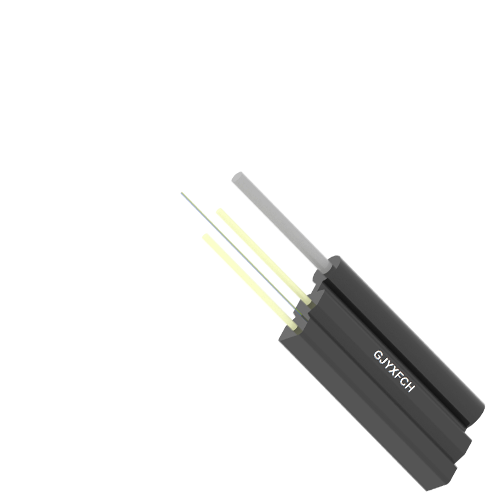

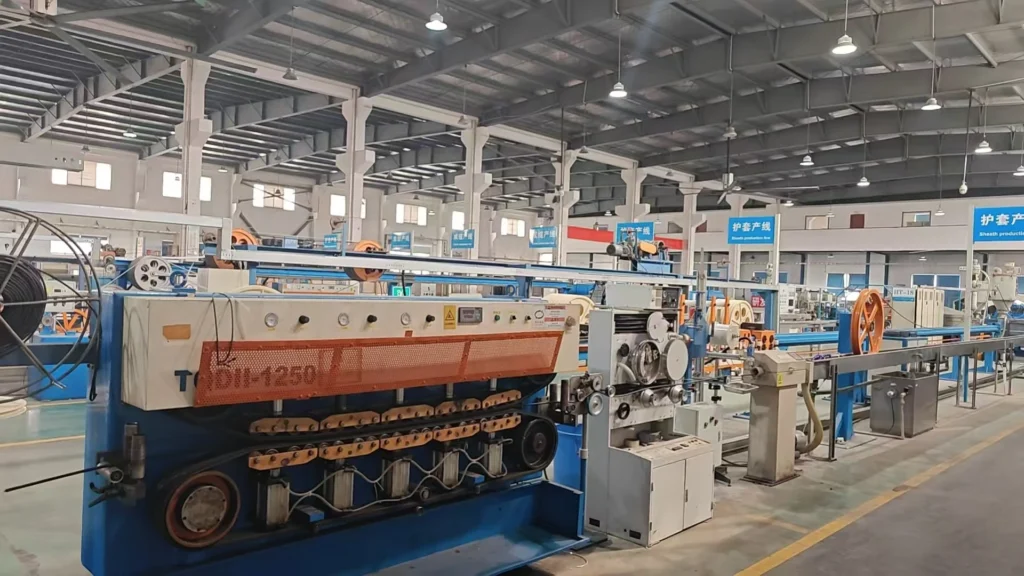

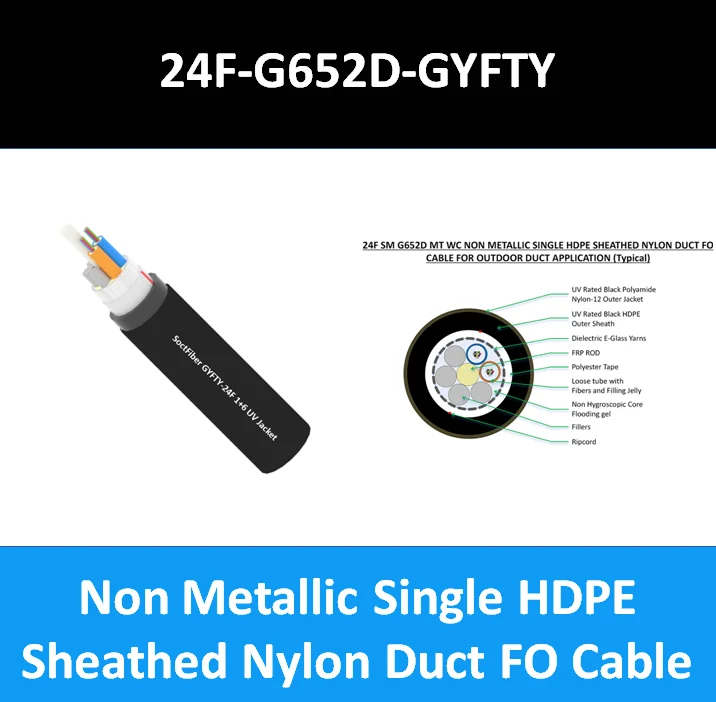
Updated on January 29, 2026 — In the context of the global AI boom, the optical fiber market has witnessed an unexpected and sharp price surge since the end of 2025. From December 2025 to January 2026 alone, the price of mainstream optical fiber products has increased by more than 70%, far exceeding market expectations. Many industry insiders and investors are paying close attention to one question: Why are optical fiber prices rising rapidly? This news will combine the latest market research data and industry dynamics to comprehensively interpret the core drivers behind the optical fiber price increase and the future market trend.
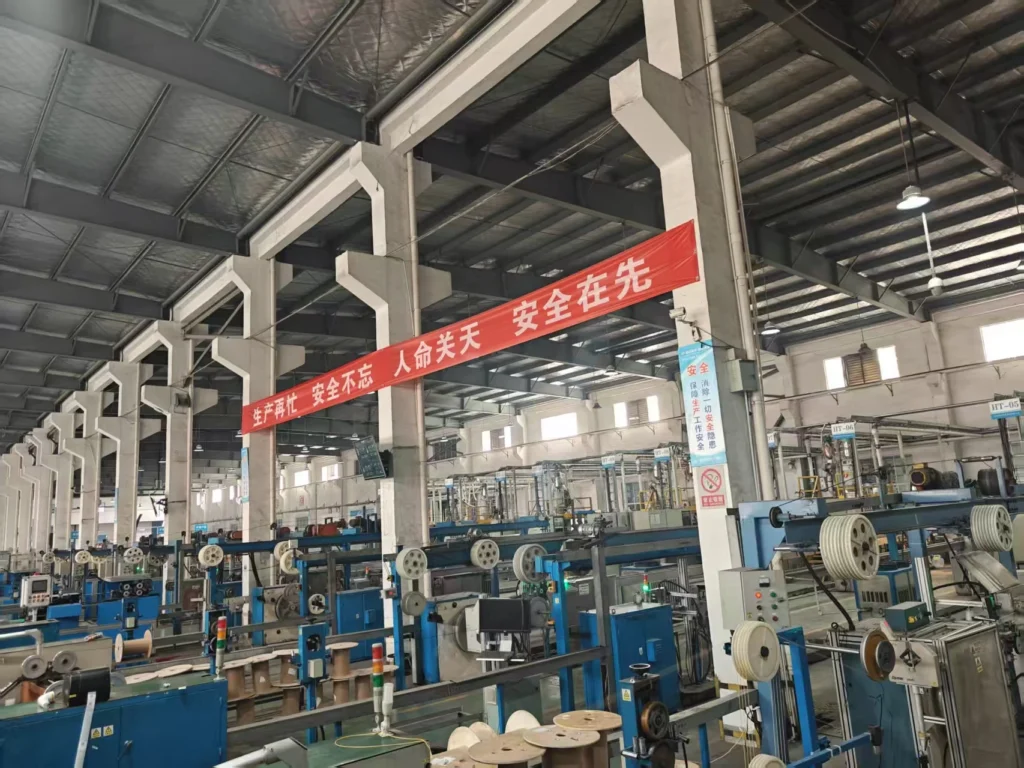
Optical Fiber Price Surge: Unexpected Speed and Amplitude
According to the latest market research, the global optical fiber market has shown a continuous upward trend since the beginning of 2025. By December 2025, the price of loose fiber had increased by nearly 30% compared with the beginning of the year, which was basically consistent with the results of industrial chain surveys. However, the price increase accelerated significantly in late January 2026, with a short-term surge that surprised the market.
Key price changes of core products are as follows:
- G.652D Single-Mode Optical Fiber (commonly used in the telecommunications market): The price rose from around 20 yuan per core-kilometer in mid-to-late December 2025 to more than 35 yuan per core-kilometer currently, an increase of nearly 75% in just one month;
- G.657A Single-Mode Optical Fiber (widely used in drones and data centers): The price soared from more than 30 yuan per core-kilometer in mid-to-late December 2025 to over 50 yuan per core-kilometer, and some high-end models even exceeded 55 yuan per core-kilometer, with a short-term increase of more than 80%;
- Multimode Optical Fiber (related to AI data centers): The price increase was higher than that of G.652D optical fiber, becoming one of the fastest-growing categories in this price surge cycle.
Industry experts pointed out that the current price surge of optical fiber is not a short-term market fluctuation, but a concentrated reflection of the fundamental changes in the supply-demand relationship of the industry, and this upward trend is expected to continue for a long time.
Core Drivers of Optical Fiber Price Increase: Short-Term Catalysts + Long-Term Trends
The sharp rise in optical fiber prices is not caused by a single factor, but the superposition of short-term demand outbreaks and long-term structural changes. Through in-depth interviews with the industrial chain and data analysis, the core drivers can be summarized into three aspects:
1. Short-Term Catalyst: Explosive Demand for Fiber-Optic Drones in Overseas Battlefields
A key short-term factor driving the price increase of optical fiber is the explosive growth in demand for fiber-optic drones in overseas battlefields. In military environments, wireless signals are easily interfered with, making fiber-optic drones an indispensable core equipment. Each fiber-optic drone needs to be equipped with 20 to 40 kilometers of single-mode optical fiber, mainly the G.657A model.
Market research shows that the global demand for fiber-optic drones began to surge in the second and third quarters of 2025. The total amount of optical fiber used in drones throughout the year reached 50 to 60 million core-kilometers, accounting for nearly 10% of the global total optical fiber demand (600 million core-kilometers) in 2025. Due to the concentrated demand in the second quarter and beyond, the highest proportion of drone demand in a single quarter even reached 20%.
Initially, industry suppliers believed that this demand would be short-term. However, the current continuity of orders has far exceeded the expectations of suppliers, becoming a core driving force for the short-term surge in optical fiber prices. Meanwhile, major North American tech giants such as Meta have signed large-scale long-term agreements with leading optical fiber manufacturers, further locking in supply and pushing up prices.
2. Long-Term Trend: AI Reconstructs Downstream Demand Structure
The most fundamental long-term driver of the optical fiber price increase is the continuous explosion of AI demand, which is reshaping the downstream demand structure of the optical fiber industry. For a long time in the past, the optical fiber market was dominated by telecommunications demand, and the proportion of AI-related demand was relatively low.
Data shows that in 2024, the optical fiber used in AI-related scenarios (data center interiors and DCI data center interconnection) only accounted for 5% of the global total optical fiber demand. Therefore, optical fiber did not receive much market attention in the previous AI cycle. However, with the rapid development of AI large models and cloud computing, the demand for optical fiber in AI scenarios has grown exponentially.
Major AI optical fiber cable manufacturers and core cabling suppliers serving the North American market, such as Furukawa, Corning, and Priceman, have all stated that the supply of optical fiber is continuously tight. It is estimated that by 2027, the proportion of optical fiber demand driven by AI-related scenarios (data center interiors + interconnection) will rise from 5% in 2024 to nearly 30%. This means that optical fiber has become a core bottleneck in the AI computing power era, and its strategic value is constantly rising.
3. Key Bottleneck: Structural Shortage Caused by Production Capacity Transfer
While demand is exploding, the global optical fiber supply capacity has not increased significantly in the past few years, which has directly led to an acute supply-demand imbalance. The core problem lies in the transfer of production capacity:
Due to the rapid surge in demand for G.657A optical fiber (driven by drones and AI data centers) and its higher unit price, most optical fiber manufacturers have transferred their G.652D optical fiber production capacity to G.657A optical fiber. This transfer has directly caused a shortage of G.652D optical fiber, which is commonly used in the telecommunications market, forcing demanders to raise prices and further driving the overall price increase of optical fiber.
In addition, the expansion cycle of the core link of optical fiber (optical rod) is as long as 18 to 24 months, and manufacturers are cautious in expanding production, making it difficult to make up for the short-term supply gap in a short time.
Future Outlook: High Prices to Persist for At Least 2 Years
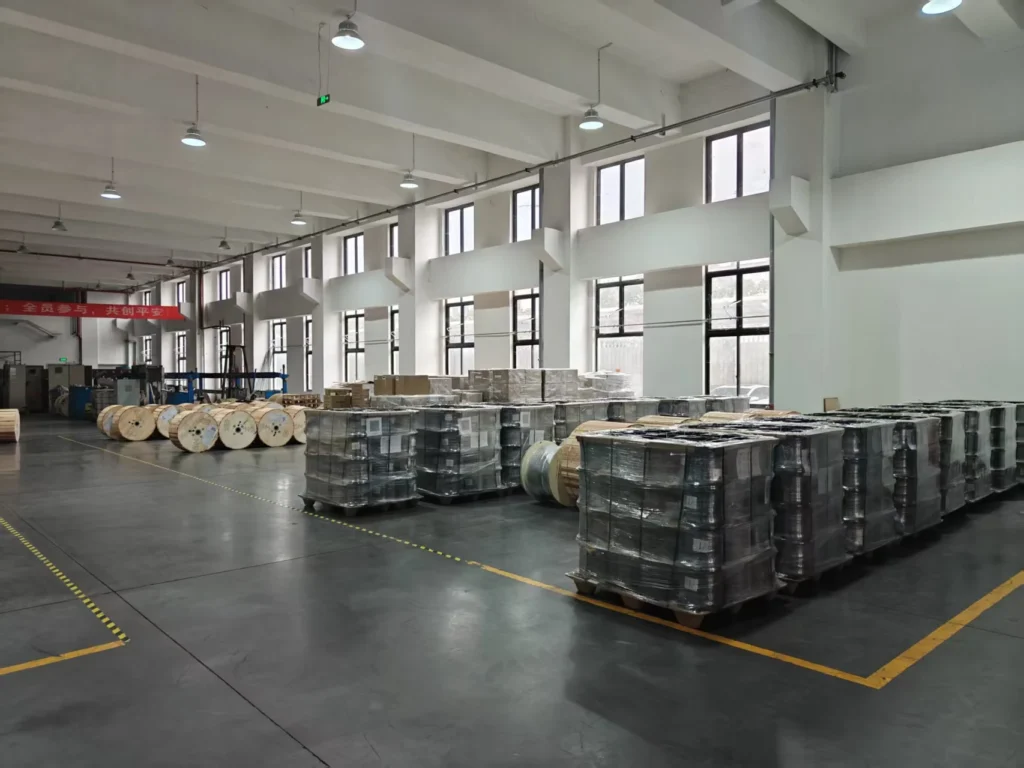
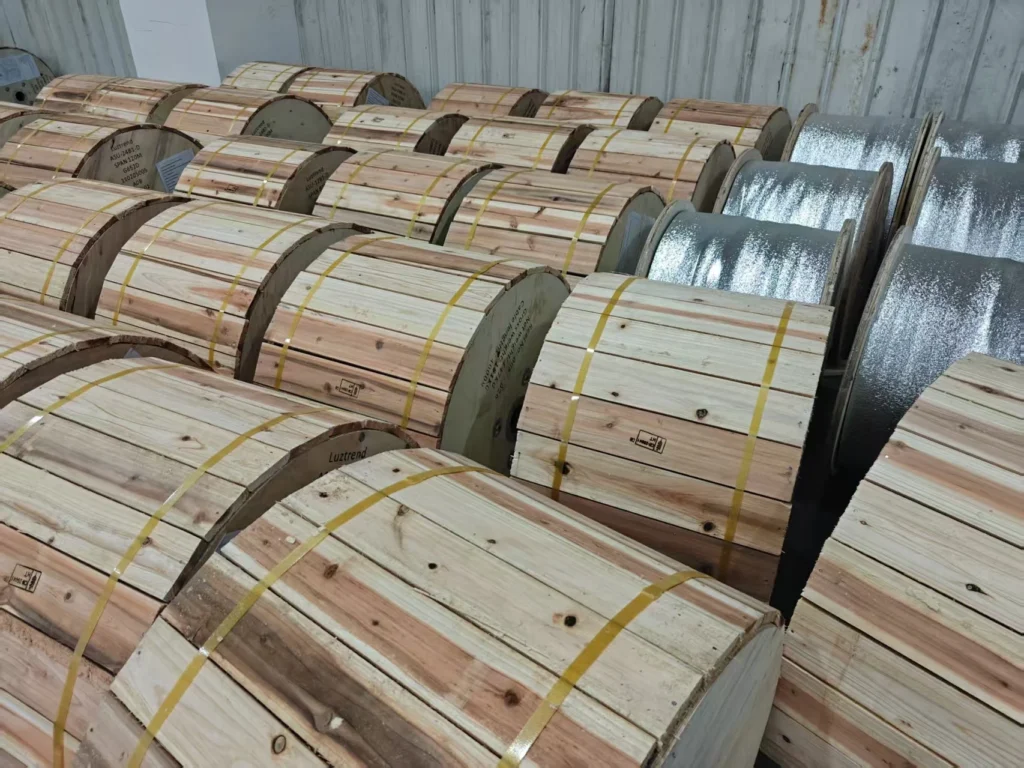
For the future trend of optical fiber prices, industry analysts hold a consistent view: the tight supply-demand environment of the global optical fiber market will last for at least 2 years, and optical fiber prices are expected to remain at a high level.
The short-term price increase amplitude will be affected by two key factors: first, the continuity of drone demand in the second and third quarters of 2026; second, the short-term centralized procurement behavior of the telecommunications market. At present, the three major domestic operators have a long centralized procurement cycle, and the weight of centralized procurement prices is relatively high, but the overall demand remains stable.
It is worth noting that the current quotation validity period of optical fiber has been shortened to only 7 days due to continuous price fluctuations, which brings great challenges to the quotation work of overseas enterprises. Many small and medium-sized optical fiber cable manufacturers have even lost access to stable optical fiber supply channels and are unable to fulfill existing orders, which further tightens the market supply.
Industry Impact: Leading Manufacturers Benefit Most from Price Surge
The surge in optical fiber prices has had a profound impact on the entire industry chain. For core leading manufacturers such as Hengtong, Zhongtian, Fiberhome, and Corning, they have obvious advantages in production capacity and channels, and their profit elasticity is expected to be fully released in the context of rising prices. At present, the valuation (PE) of domestic leading optical fiber cable manufacturers is generally at a low level, and the price surge of loose fiber will further improve their profitability.
In terms of operator centralized procurement, the price of optical fiber in the centralized procurement of China Mobile in June 2025 has rebounded compared with the beginning of the year, reflecting that manufacturers have certain pricing initiative in a good demand environment. The market is currently paying close attention to the next centralized procurement of China Telecom, and it is rumored that China Telecom may hope to suppress prices, which may cause short-term market fluctuations. However, analysts believe that in the context of tight supply and demand, manufacturers still have certain initiative to protect their profits.
Conclusion
The sharp rise in optical fiber prices in 2026 is a concentrated reflection of the fundamental changes in the industry: the short-term explosive demand for fiber-optic drones has catalyzed the price surge, and the long-term AI demand has reconstructed the industry’s demand structure. Coupled with the rigid constraints of production capacity, the supply-demand imbalance will continue to exist. For the market, this is not a short-term speculation, but a long-term industry boom cycle.
In the future, with the continuous advancement of AI technology and the further release of demand for fiber-optic drones, the optical fiber market is expected to maintain a high prosperity. Investors can focus on leading optical fiber manufacturers with core production capacity and overseas layout advantages, while paying attention to the impact of factors such as operator centralized procurement and production capacity expansion on the market.