

When you design an FTTH or FTTx network, the last segment from the distribution point to the subscriber is often the most fragile part of the entire link. It faces wind, ice, UV, mechanical tension and, in many cases, installation mistakes. If this “last mile” is unstable, the whole project will suffer from complaints, repeat site visits and hidden maintenance costs.
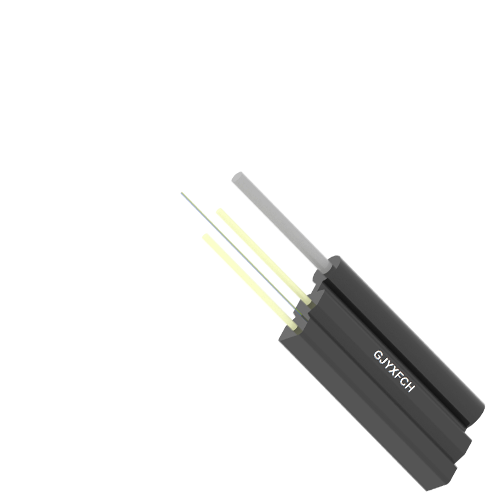
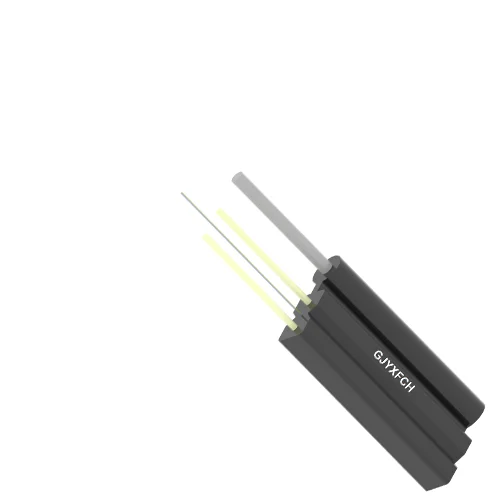
That is exactly where a self-supporting fiber optic outdoor drop cable (GJYXFCH structure) shows its value.
In this article, we will look at what makes this type of cable different, where it is used, and why using a robust self-supporting drop cable can directly reduce your failure rate and total project cost.
Why the Last Mile Needs a Special Cable
Many operators and contractors have learned the hard way that using a standard indoor or light-duty cable for outdoor drops is not enough. Typical problems include:
- Cable sagging badly between poles because the structure is not self-supporting
- Microbending and macrobending loss caused by poor strength design and over-tension
- Sheath cracking after a few years of UV exposure
- Extra accessories and messengers needed, which slow down installation
A self-supporting GJYXFCH outdoor drop cable is designed to solve exactly these issues. It combines optical performance with built-in strength and rigidity, so it can be hung directly between poles or buildings without an extra messenger wire.
What Makes a Self-Supporting Drop Cable GJYXFCH Different?
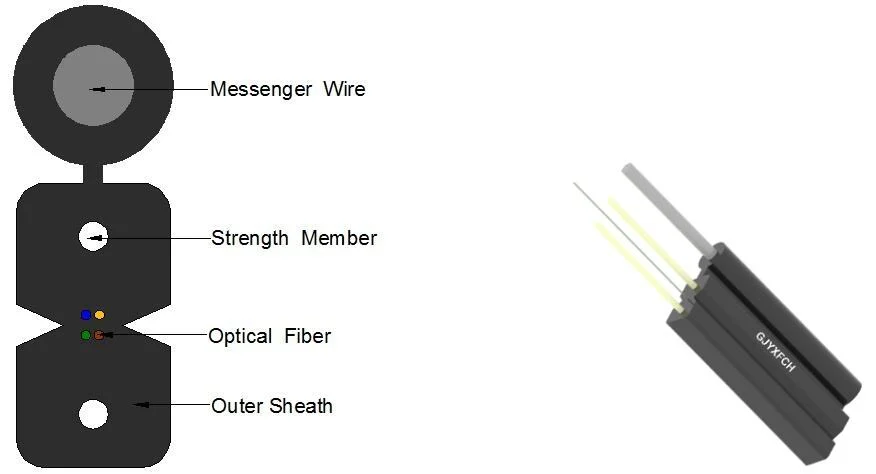
Although structures can vary by manufacturer, a typical self-supporting outdoor drop cable GJYXFCH includes:
- Single-mode fibers for FTTH/FTTx applications
- Compact, flat or figure-8 construction with a dedicated strength member
- Metallic support (usually stranded steel wire) integrated as a messenger, giving the cable its self-supporting capability
- Outdoor-grade sheath, designed to resist UV, temperature changes and moisture
For the installer and network owner, this translates into clear advantages:
- True self-supporting design
The integrated messenger can handle the mechanical load across aerial spans. This means you can string the cable directly without installing a separate steel wire, simplifying hardware and logistics. - Stable optical performance under tension
Proper separation of strength member and fiber elements helps keep fiber under safe tension, reducing the risk of additional attenuation caused by pulling, wind or ice load. - Cleaner, faster deployment
Fewer components, fewer steps and a compact cable profile make installation more efficient. Crews can finish more connections in the same amount of time, which matters a lot in mass FTTH roll-outs.
Typical Application Scenarios for GJYXFCH Outdoor Drop Cable
The self-supporting outdoor drop cable GJYXFCH is especially suitable for:
- Aerial FTTH drops in residential areas
From pole to house or building façade, where wind and long spans can cause sagging if the cable is not self-supporting. - Rural broadband projects
Long distances between poles, uneven terrain and fewer maintenance visits make a robust, low-maintenance drop cable essential. - Campus and industrial park access
From main routes to separate buildings, workshops or warehouses, where a clean aerial solution is preferred over civil work. - Coastal or harsh climate regions
Where UV, wind, salt or temperature changes demand an outdoor cable that can last for many years without frequent replacement.
If your project involves any of these conditions, choosing a purpose-built self-supporting drop cable often saves you time, rework and customer complaints later.
Key Points to Consider When Selecting a Self-Supporting Drop Cable
When you evaluate which GJYXFCH cable to use, focus on criteria that directly impact both performance and cost over the full life of the network:
- Span and tensile performance
Check the rated maximum span and allowable tensile load. The cable should provide enough safety margin for your longest planned spans and local wind/ice conditions. - Sheath and weather resistance
An outdoor-grade sheath should provide UV resistance and withstand temperature variations. This is critical for long-term reliability. - Fiber type and count
Single-mode fibers, usually G.652D or similar, are standard in FTTH, but the exact fiber count should match your network design (single, dual or multiple fibers per subscriber, reserve cores, etc.). - Compatibility with hardware
The outer dimensions and structure should work smoothly with your existing clamps, hooks, tension hardware and termination boxes so your field teams do not need to change their whole accessory system. - Ease of stripping and termination
Installers care a lot about how easy the cable is to strip, prepare and terminate. A cable that is easy to handle reduces installation time and lowers the risk of fiber damage during preparation.
When you send your project requirements, sharing details such as span length, pole distance, climate conditions and preferred hardware allows us to recommend or customize the most suitable GJYXFCH structure for your network.
How the Right Drop Cable Reduces Your Total Project Cost
At first glance, all FTTH drop cables may look similar. However, from a project owner’s perspective, the real cost is not just the purchase price per meter. You also need to consider:
- Number of failed connections in the first years
- Truck rolls and technician time for repairs
- Customer complaints and churn due to unstable service
- The need to replace inferior cable prematurely
By using a self-supporting outdoor drop cable GJYXFCH that is engineered for your environment, you can:
- Reduce the failure rate in the last mile
- Shorten installation time per subscriber
- Minimize unscheduled maintenance visits
- Extend the service life of the drop segment
Over thousands of connections, the savings and performance difference become very clear.
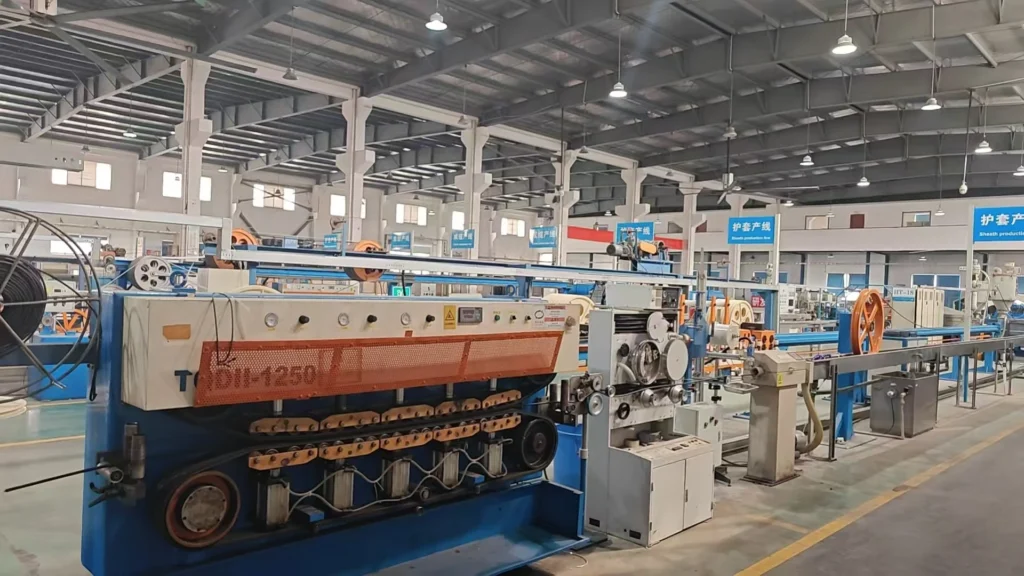
Work With a Supplier That Understands FTTH Projects
Choosing the right cable is not only about technical data sheets. It is also about having a partner who understands how your network is built in the field.
When you send us an inquiry, we can:
- Review your network topology and drop design
- Suggest suitable GJYXFCH structures and fiber counts
- Provide samples, test data and data sheets for your engineering team
- Support OEM / ODM requirements, including printing, packaging and documentation
We are not just selling a product per meter. We aim to help you build a stable, scalable FTTH access network that performs well for years.
Planning an FTTH Aerial Project? Let’s Discuss Your Drop Cable
If you are designing or upgrading an FTTH or FTTx project and need a reliable self-supporting outdoor drop cable, now is the best time to evaluate the right GJYXFCH structure for your routes.
Share your:
- Required span lengths
- Installation method (pole-to-pole, pole-to-building, façade, etc.)
- Estimated number of subscribers
- Environmental conditions
We will help you match these requirements with a suitable self-supporting outdoor drop cable and provide a competitive factory quotation.
Send us your project details today, and we will support you from cable selection to delivery, so your aerial FTTH drops are strong, stable and easy to maintain.