

Building a reliable aerial fiber network doesn’t always require the heavy-duty specifications of traditional ADSS cables. For internet service providers (ISPs) and telecom contractors working on last-mile connectivity or rural broadband projects, budget efficiency is just as critical as network stability.
If your project involves pole spans between 80m, 100m, and 120m, you might be overspending on cables. Enter the 12 Core ASU Fiber Optic Cable—the compact, all-dielectric self-supporting solution designed specifically to bridge the gap between cost and performance.
Here is why switching to ASU cable for your next deployment could save your project budget without sacrificing quality.
What is ASU Fiber Optic Cable?
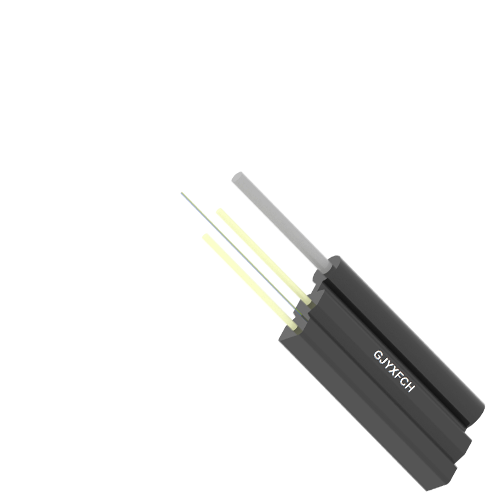
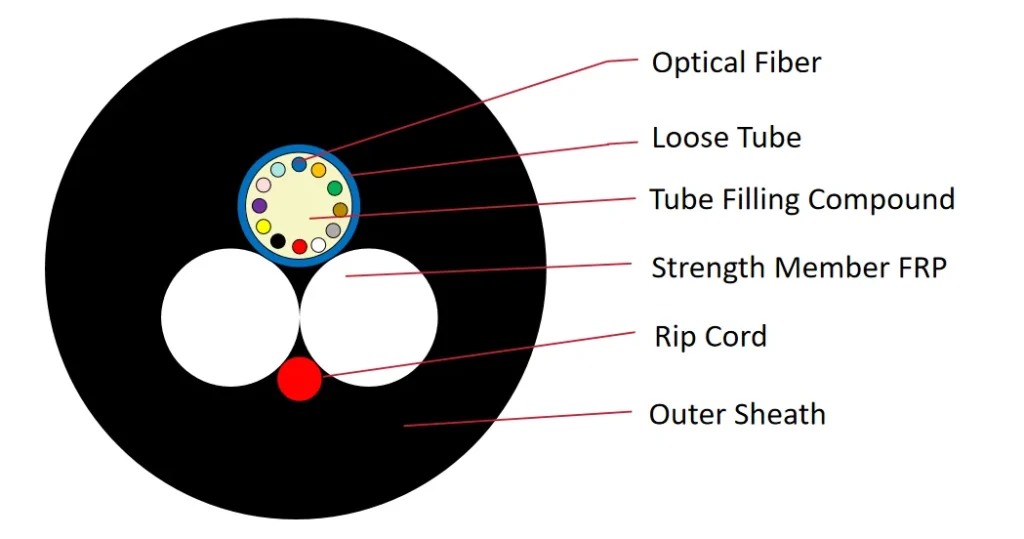
ASU (often referred to as “Mini ADSS”) is a specific type of aerial optical cable structure designed for short-to-medium spans. It features a loose tube structure containing the optical fibers, protected by water-blocking jelly. The crucial structural element is the FRP (Fiber Reinforced Plastic) strength members located on the sides, which provide the necessary tension resistance for aerial installation.
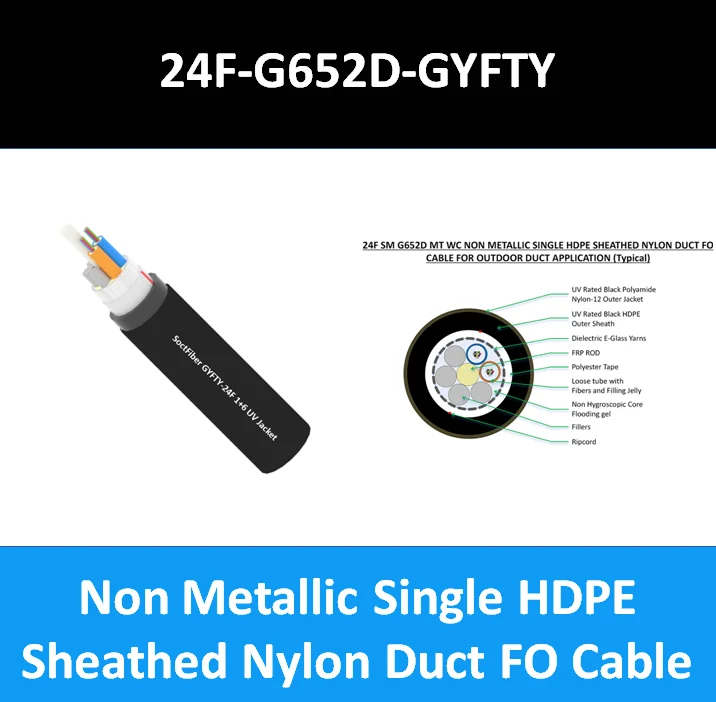
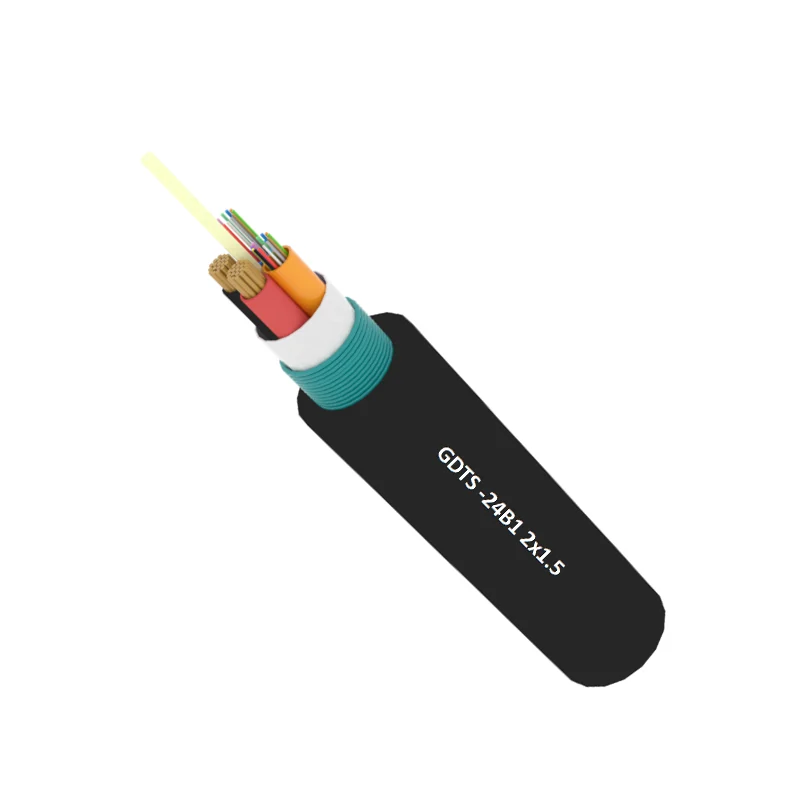
Unlike standard armored cables, ASU is completely metal-free (All-Dielectric), making it immune to electromagnetic interference and lightning strikes.
Top 3 Reasons to Choose ASU Cable for Your Network
1. Significant Cost Reduction vs. ADSS Standard ADSS (All-Dielectric Self-Supporting) cables typically use expensive Aramid yarn (Kevlar) to achieve long spans (up to 1000m). However, for distribution networks where poles are only 80m to 120m apart, this is unnecessary overkill. ASU cables replace Aramid yarn with rigid FRP strength members. This structural change significantly lowers manufacturing costs while still providing ample tensile strength for these specific distances. Result: You get a robust self-supporting cable at a fraction of the price of ADSS.
2. Easier and Faster Installation Time is money in telecom construction. The 12 Core ASU cable is lightweight and has a compact diameter. This reduces the load on utility poles and makes handling easier for your installation crews.
- Less weight: Lowers transportation costs.
- Smaller diameter: Reduces wind load and ice load impact.
- Simple accessories: Uses simpler, more affordable tension clamps compared to heavy-duty ADSS hardware.
3. Safety in High-Voltage Environments Just like ADSS, the ASU cable is non-metallic. This is a critical feature for projects where fiber cables share space on utility poles with high-voltage power lines. The all-dielectric nature ensures there is no risk of electrical conduction or lightning attraction, protecting both your equipment and your personnel.
Ideal Applications for 12 Core ASU Cables
Our 12 Core ASU Fiber Optic Cable (Span 80m-120m) is engineered for:
- FTTH (Fiber to the Home) Distribution: Connecting main lines to sub-distribution points in residential areas.
- Rural Broadband Networks: Cost-effective cabling for connecting villages where pole spans are irregular.
- CCTV and Surveillance Systems: Aerial connections for cameras in campuses or industrial parks.
- Railway and Power Line Crossings: Where non-metallic cables are mandatory.
Technical Quick Specs (SOCT Fiber Model)
- Fiber Count: 12 Cores (Customizable)
- Span Capability: 80m, 100m, 120m options available.
- Jacket Material: PE (Polyethylene) for UV and weather resistance.
- Strength Member: Parallel FRP (Fiber Reinforced Plastic).
- Temperature Range: -40°C to +70°C.
Conclusion: Stop Overpaying for Short Spans
Don’t let cable costs eat into your project margins. If your aerial installation spans fall within the 120m range, the 12 Core ASU cable offers the perfect balance of durability, safety, and economy.
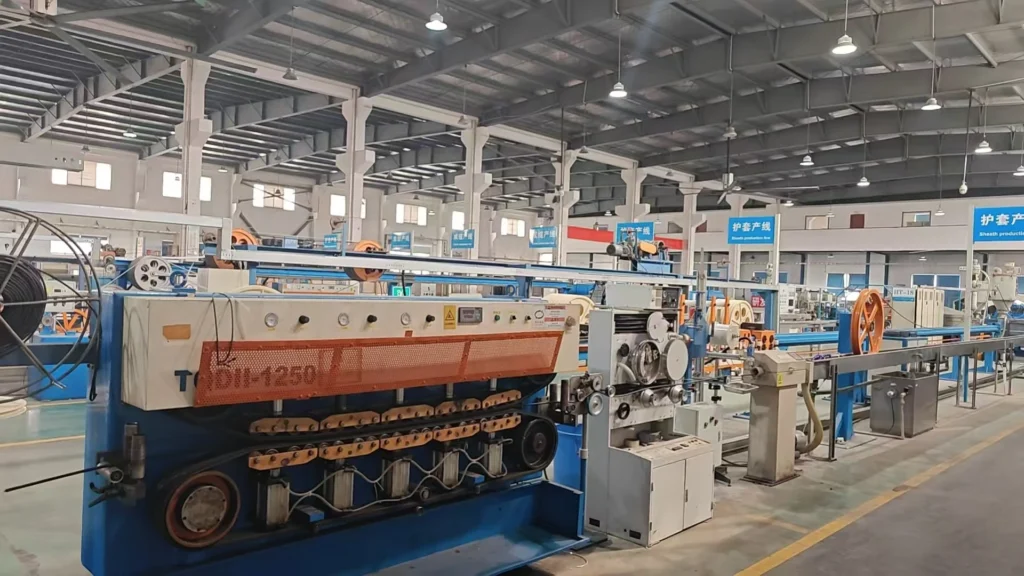
Ready to optimize your network deployment costs? At SOCT Fiber, we manufacture high-quality ASU cables tested for rigorous environmental standards.
Contact us today for a free quote. Our engineers can help you calculate the exact span requirements for your project.